Registration for this schedule starts on 12/01/2025 and ends on 09/03/2026
Participants must be 18 years to 120 years old when the program starts.
MASTER CLASS: MITUSURO HIKIME AND LOST WAX CASTING
INSTRUCTOR: JENNIFER STENHOUSE
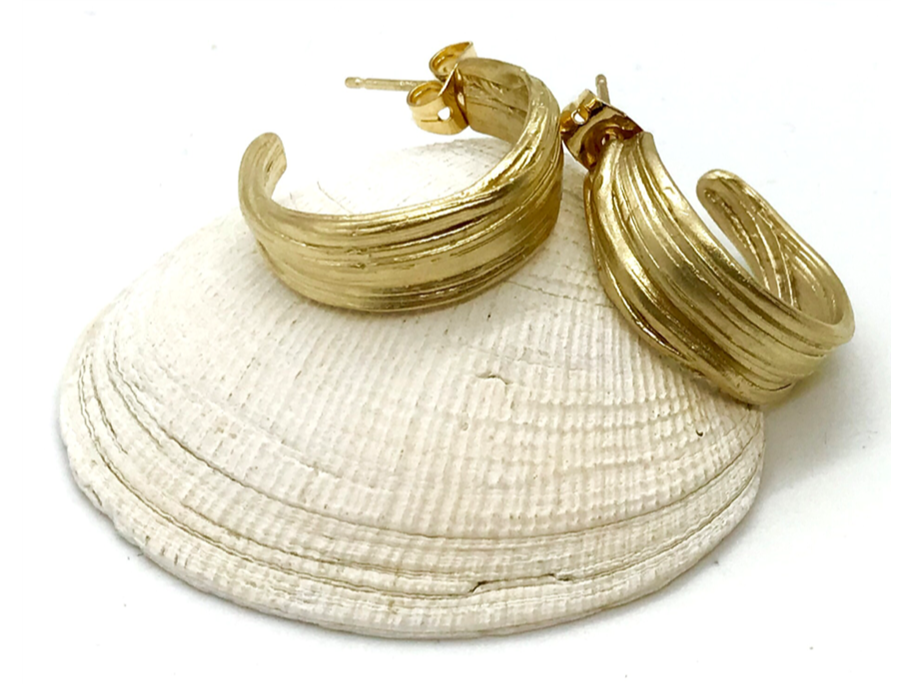
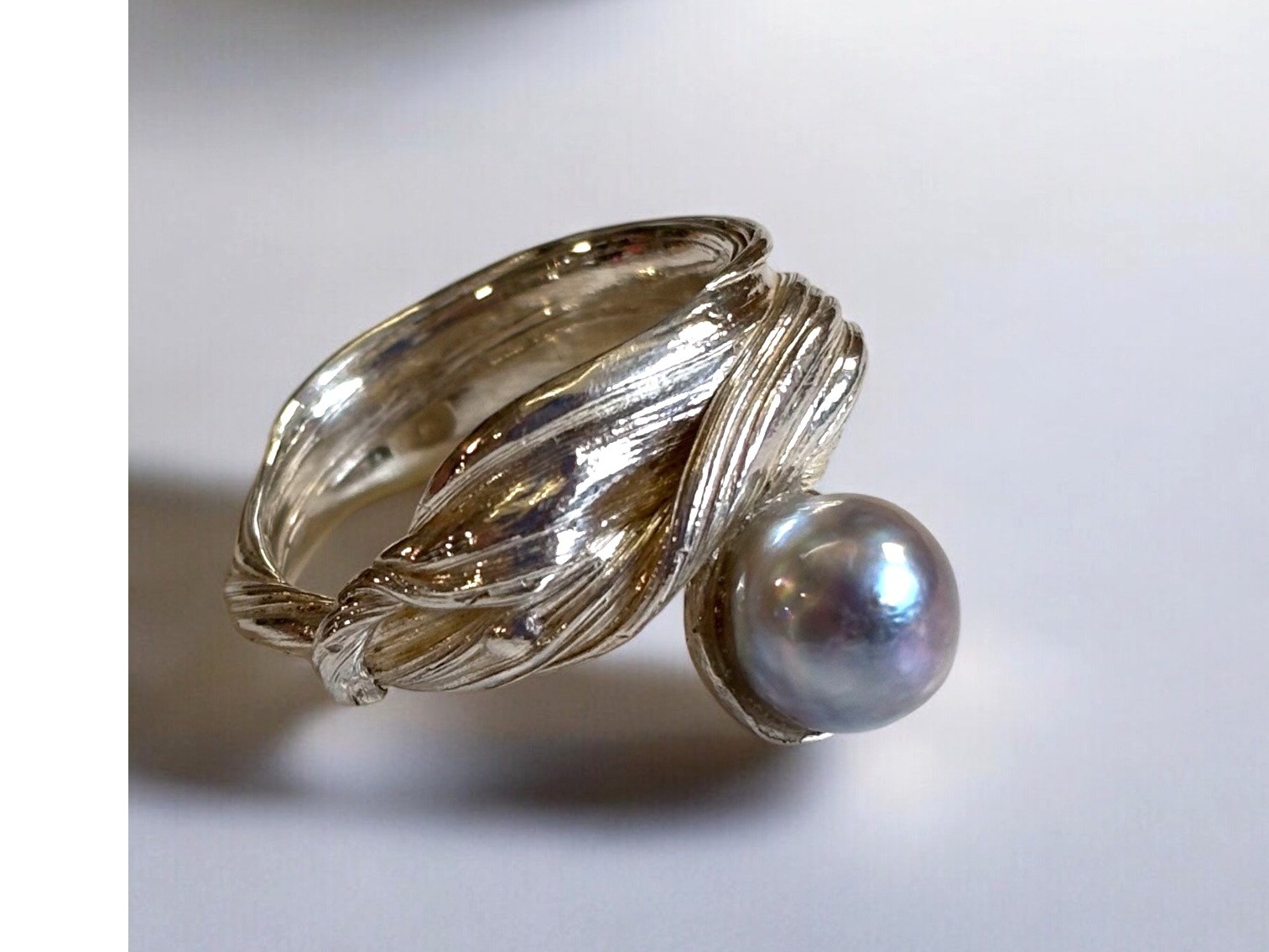
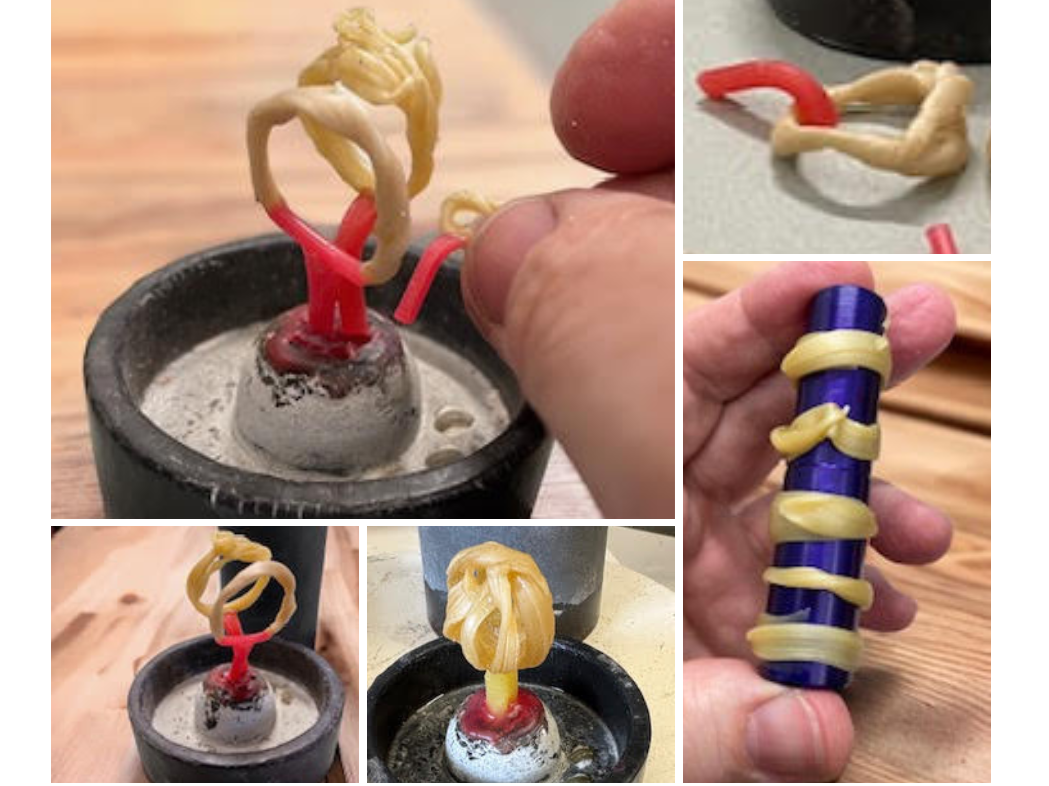
The ancient art of Mitsuro Hikime is a Japanese wax modeling technique that creates exceptionally delicate detail which resembles the most exquisite organic texture like grass, hair, or flowing silk. The wax is made of a mixture of pine resin and beeswax, along with other waxes, depending on the recipe you use (you can buy it pre-made and focus on design). Once you understand the recipe, you can customize your wax to your preference. Much like taffy, the wax is gently warmed and pulled until the desired effect is created. Students will learn how to make their own wax with a hands-on demonstration. They will also learn how to adjust the wax to their personal needs for creating models. We will be making enough of the wax during the demonstration for the students to work with during the workshop. Once we have the wax in hand, we will explore kneading and pulling techniques for creating ribbon like jewelry. Students will make a few models to cast. Jennifer will demonstrate a few special sprue techniques for mitsuro and investing to ensure a successful casting. The following day of class, we will be casting a few of the models the student has made. Then on the finishing and polishing tricks for these delicately textured surfaces. Be sure to bring some scrap sterling or bronze to cast! We have 4 1/2 days to explore the Mitsuro Hikime wax modeling and casting process.
Day 1: Making the Mitsuro from scratch for the class to use, and introduction to modeling with the wax. (Additional Pre-made Kitsune Mitsuro Wax will be available for sale from Jennifer.)
Day 2: Working to learn modeling techniques to get wearable designs
Day 3: Finishing models, spruing and investing
Day 4: Casting and clean-up
Day 5: (half day) Finishing techniques for Mitsuro Hikime cast metal pieces
MATERIALS & SUPPLIES:
I will bring the wax ingredients with me. Beeswax, pine resin and paraffin wax. I will include this in the costs for the class summary.
GOOD FOR STUDENTS TO BRING:
Additional wax working tools can be found, ordered, created or purchased locally at hardware stores.
These will be discussed thoroughly on the first evening of class. Help support your local merchants!
The tools listed below are helpful for working in your studio and at home to create the wax models:
Class Fee: $40
Estimated materials fee: $0 to $50
Prerequisite: Some jewelry fabrication skills and some casting experience is helpful but not entirely necessary to enjoy learning!
MASTER SERIES REFUND POLICIES
**MINIMUM OF 6 STUDENTS REQUIRED FOR THIS CLASS
Artist Statement — Jennifer Stenhouse
For over three decades, I have worked at the intersection of art, craft, and education as ajeweler, sculptor, and teacher. My practice has always centered on casting—ancient andmodern techniques that transform molten metal into form. Casting has been both mypersonal passion and my professional expertise: I have taught it in classrooms, builtprograms and facilities around it, written about its processes, and used it to create worksthat honor the enduring legacy of the craft. At this point in my career, I feel called to take ona project of lasting value for the metals and jewelry community: a comprehensive globalhistory of lost-wax castingMy own studio work bridges ancient and modern approaches. I have long been fascinatedby the dialogue between time-tested methods and contemporary expression. In my jewelryand small-scale sculptures, I often turn to techniques like cuttlebone casting to captureorganic textures reminiscent of the ocean and Pacific Northwest landscape. At the sametime, I experiment with modern processes to show how casting continues to evolve. Thisblending of past and present underscores the truth that casting is not a relic of history, but aliving traditionMy teaching career has carried this conviction into many classrooms and workshops. AtNorth Seattle College, I teach both accredited and continuing education courses, helpingstudents experience the transformation of wax into metal for the first time. As co-founder ofLittle Metal Foxes, I extend this education to a wider audience through live, online jewelrycourses. Earlier in my career, I proposed and established the Metals and JewelryDepartment at the Savannah College of Art and Design, where I served as its first Chair,consulted on the design of casting studios, and represented the school internationallythrough lectures and workshops. I have also taught at the University of Wisconsin–Madison,Vermont Art Exchange, Pratt Fine Arts Center, and many other venues across the UnitedStates and Mexico. This wide-ranging experience has given me a deep perspective on theneeds of students, makers, and educators in our field.Alongside teaching, I have worked in production and consulting. As a master caster atOutcast & Co. in Seattle, I produced work in gold, silver, brass, and bronze, balancingprecision with artistry. I have consulted on the construction and installation of castingfacilities, ensuring that institutions and studios could work safely and effectively. Theseexperiences expanded my understanding of casting beyond the bench, into realms ofindustry, design, and infrastructure.I have also contributed to the literature of metalsmithing, writing and being featured inpublications such as Art Jewelry Magazine and Lapidary Journal. These articles focused onsharing processes like cuttlebone casting and wax-carving techniques, combining technicalinstruction with a desire to broaden access to knowledge. Writing has always been anextension of my teaching. The book I am currently researching, The History of Lost WaxCasting: Jewelry, Technology, and Cultural Exchange Across Time will be the first book totrace this technique from its prehistoric origins to its contemporary practice on a globalscale. This is the culmination of this trajectory: a project that brings together my expertise,my love of research, and my drive to preserve and pass on the knowledge of casting.At this stage in my career, I feel a responsibility to contribute something lasting to the fieldthat has shaped my life. Teaching and the book will be my way of honoring the generationsof makers who came before, while creating a resource for those still to come.
Please contact William Holland School of Lapidary Arts if you have any questions.